
Customs and duties

Know your landed cost before you ship

How duty rates, customs valuation and import VAT combine into the price your buyer actually pays at the border.

A small parcel on a wooden packing table beside a printed commercial invoice, a customs declaration form and a roll of tape, with a laptop showing a spreadsheet of line-item costs

Customs Documentation Without the Guesswork

The paperwork that clears a shipment is the same paperwork that decides what you pay, so getting it right the first time saves both delay and duty.

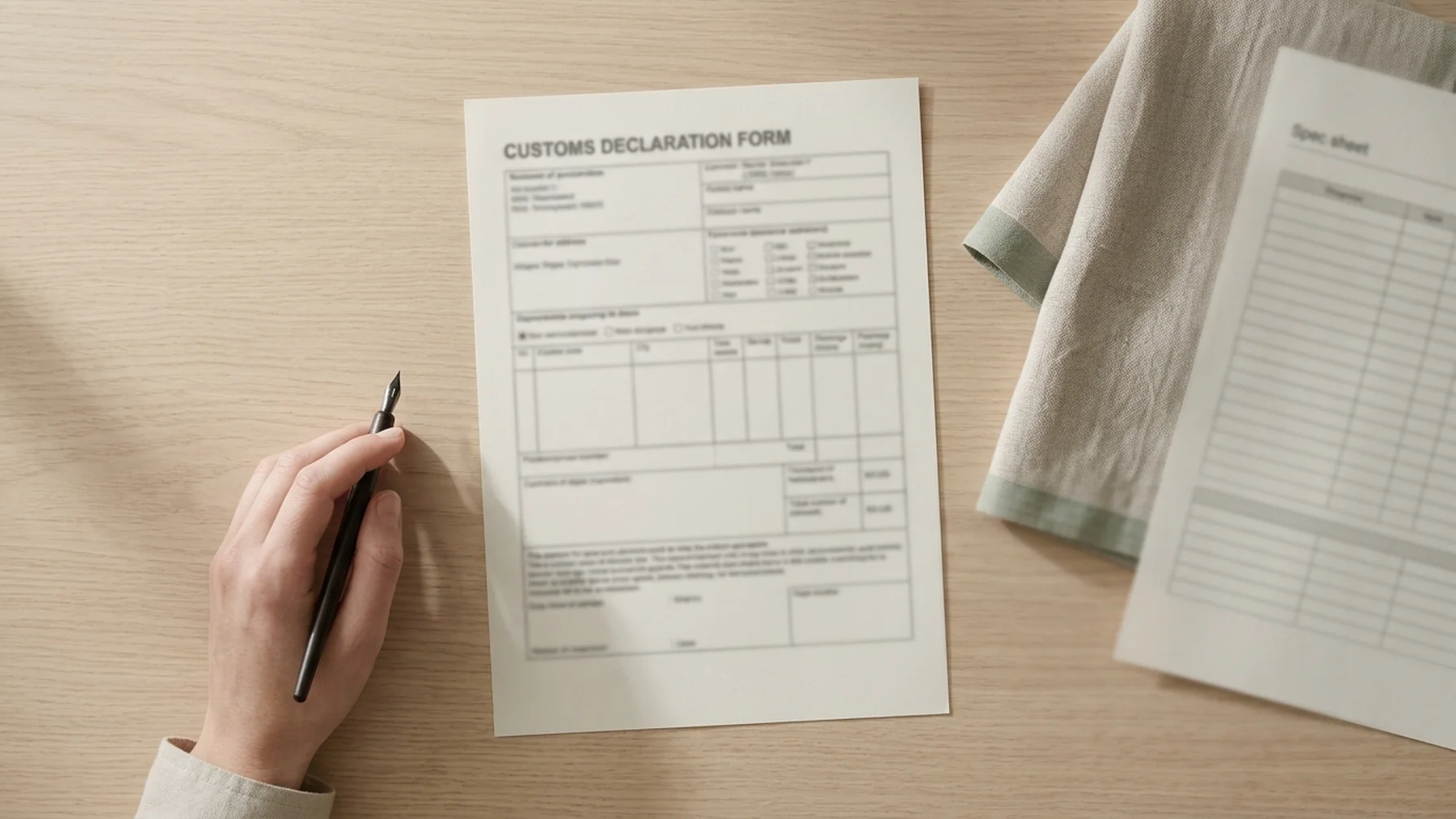
A customs declaration form on a desk beside a fabric sample and a printed product specification sheet, a hand holding a pen over the code field

Classify before you ship

A tariff code sets the duty rate, and the same product can land in different codes depending on material or function. Build a written classification per SKU with the reasoning behind it, so a customs broker or auditor can follow the logic rather than guess at it.

Read the customs documentation articles
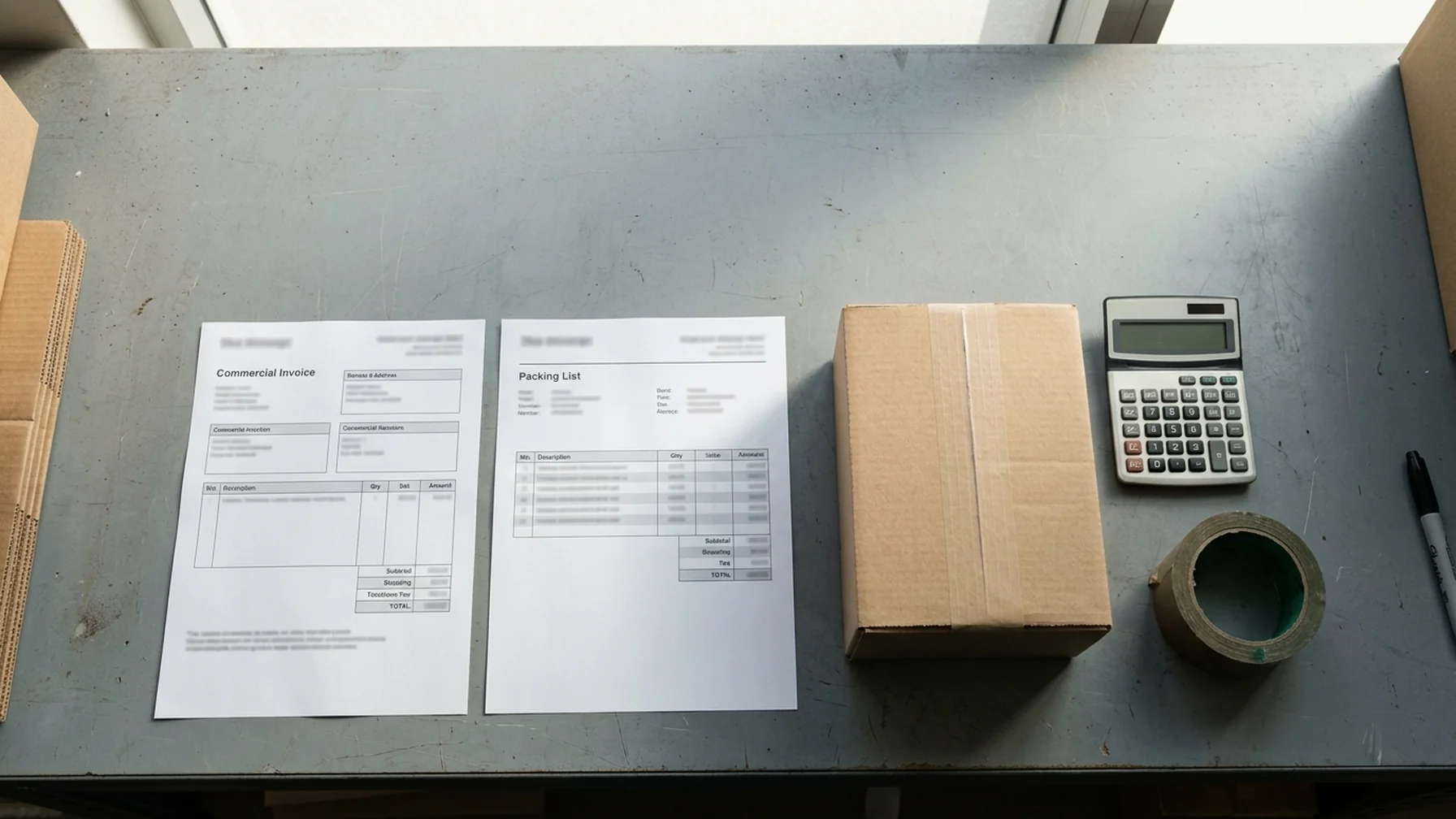
A commercial invoice and packing list side by side on a packing bench with a small sealed carton and a calculator

Value is more than the price tag

Declared value drives duty and VAT, and it has to include the elements the destination country counts, such as freight or royalties in some jurisdictions. Keep the commercial invoice consistent with the packing list and the order record; mismatches are what trigger holds and post-clearance audits.

Browse valuation and duty articles
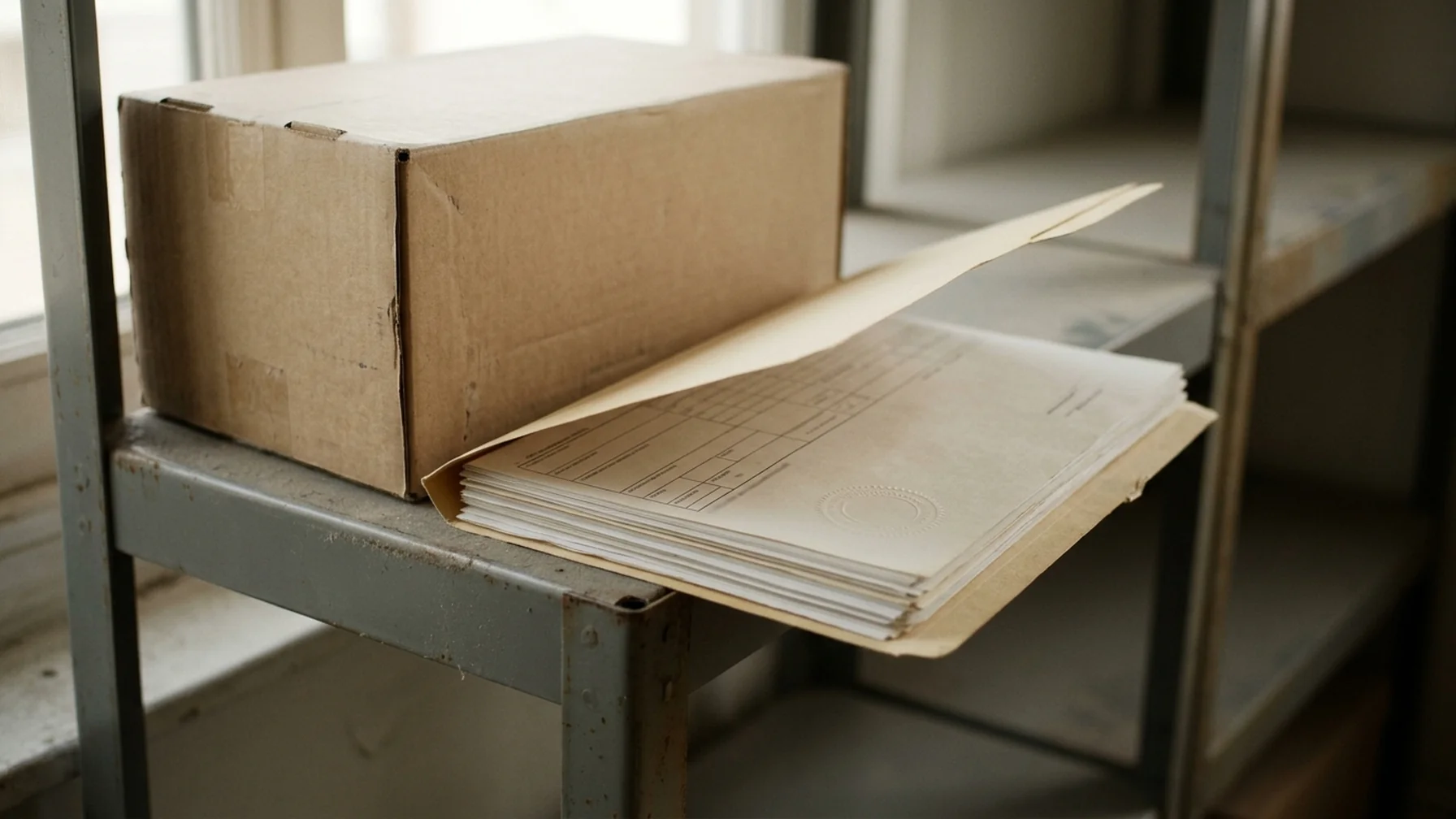
A labeled archive box of shipment folders on a shelf, one folder open showing a stack of customs documents

Keep records that survive an audit

Customs authorities can review entries years after the goods arrive. Store the invoice, classification note, proof of origin and shipping documents together per shipment, and note who changed what and when. Origin evidence matters most: a preference claim without supporting records can be reversed and billed later.

See recordkeeping guidance

Latest from the Blog